| Destination: VADODARA |
| Destination Type: Cities |
| City: Vadodara |
| Country: India |
Air - Vadodara is connected by various domestic airlines to Ahmedabad, Delhi, Mumbai, Daman, and Pune.
Rail - Vadodara, a major railway junction is located on the Western Railway, which connects Mumbai, Delhi and Ahmedabad.
Road - State transport buses and private luxury coaches connect Vadodara to various towns and cities of Gujarat, Maharashtra, Madhya Pradesh, Delhi, and Rajasthan. Vadodara is 112 kms. from Ahmedabad and 420 kms. from Mumbai.
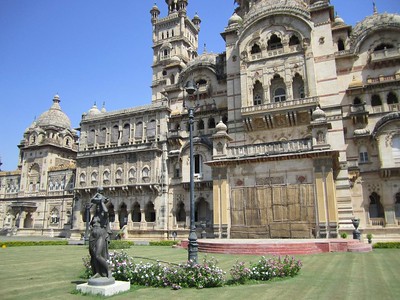
Vadodara is a graceful city of palaces, parks, temples and museums and considered by many as the de-facto cultural capital of Gujarat. Once the capital of the Gaekwads, the former rulers of Vadodara, it is also known as Baroda and rises from the banks of River Vishwamitri. Vadodara is also the industrial capital of Gujarat.
Archaeological findings indicate that human habitations existed here since prehistoric times. Vadodara passed through the hands of, the Guptas, Chalukyas, Rashtrakubas, Solankis, the Sultans of Delhi and the Mughals before passing on to the Marathas. It owes its present day grandeur to Maharaja Sayajirao, a great patron of art, architecture and music.
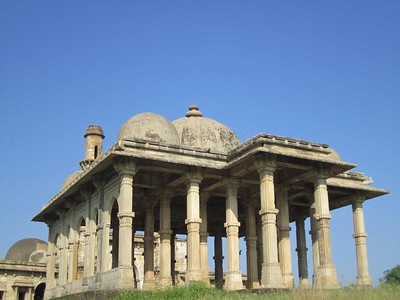
Vadodara, Gujarat's third largest city, is considered the state's cultural capital. Pavagadh Hill, graced with a combination of Hindu and Jain shrines, towers over Champaner, the 15th c. pre-Mughal Islamic fort. Together they represent the diversity of religious influences that have pervaded Gujarat. Vadodara is situated on the Vishwamitri River and is the administrative headquarters of Vadodara District. The city is mixture of many eras and its reputation as "Cultural Capital" dates largely from the late 19th c, when it was the capital of the pricely state of Baroda.
Ecotourism
Sayaji Baug
Sursagar Talav
Tribal Museum - Chhota Udepur
Vadhvana Wetland & Eco Campsite
Heritage
Dabhoi
Department Of Archeology - M.S.University
Kadia Dungar Caves
MS University
Other buildings
Palaces
Sankheda
Museums
Sri Aurobindo Niwas
Vadodara Museum
Religious Sites
Ankottaka
EME Temple
Visit Champaner – Pavagadh, Laxmi Vilas Palace, Maharaja Sayajirao Gaekwad University & The Shoolpaneshwar Wildlife Sanctuary